How I Became a Map Maker
How I Became a Map Maker
Over the last 20 years, I have been lucky to call three beautiful towns home, and each one shaped the way I see places and stories. Somewhere along the way, what started as simple sketching turned into a full blown love for mapping the places people care about most.
This is the story of how my first major map came to life, how my process grew, and why I still start every piece the same way, with a pencil and a whole lot of curiosity.
My First Map and a Big Yes
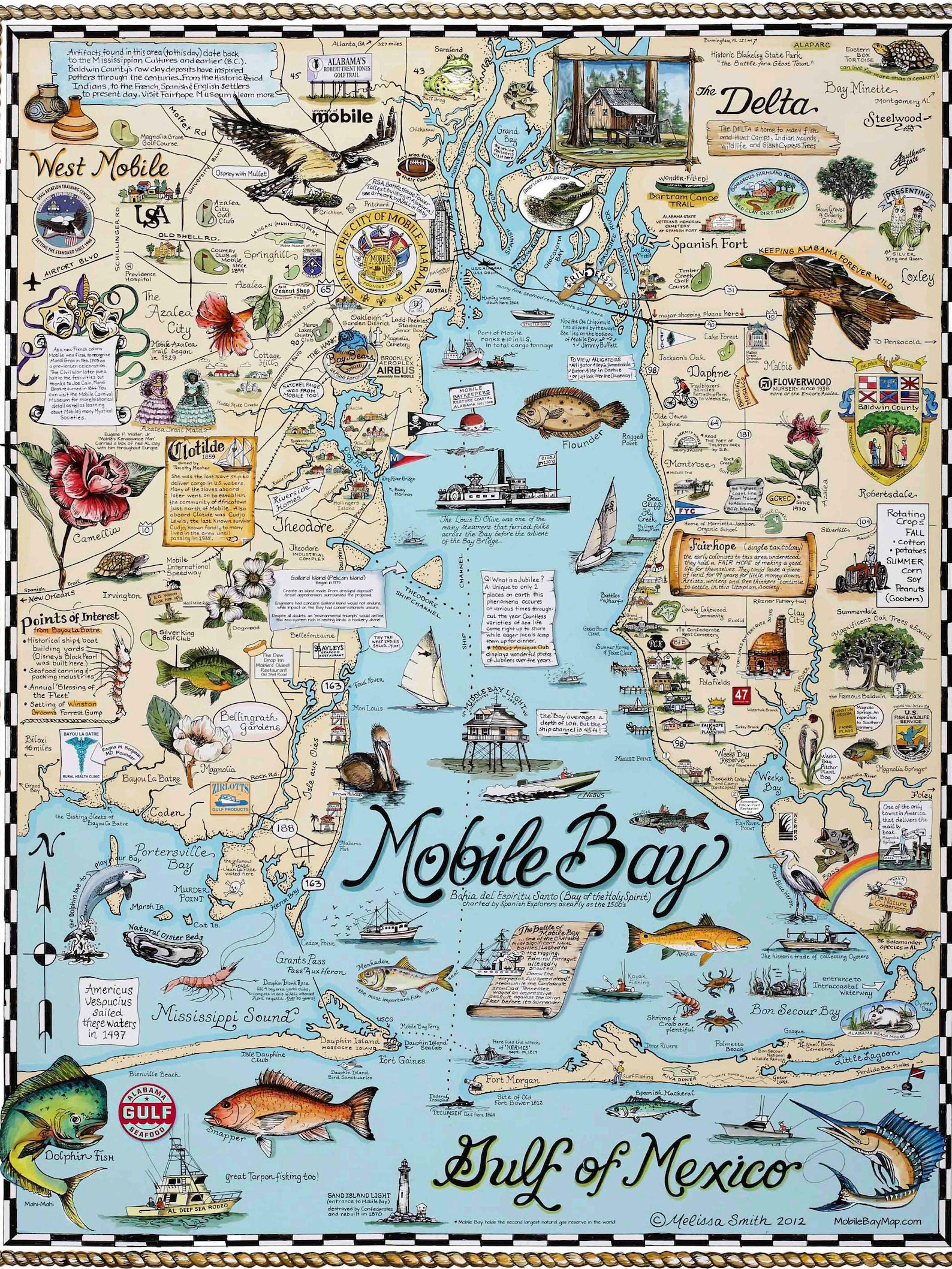
I was living in Fairhope, Alabama when a gallery owner asked if I would create a fresh version of a map of Mobile Bay, which had not been done since the 1950s. She has since admitted she never expected I would truly do it. I did, and it took months of research, reference hunting, and drawing.
That first map opened a door. Once Mobile Bay was finished, I began creating maps all around Lower Alabama. Each new piece taught me more about how people connect to a coastline, a neighborhood, a river bend, or a tiny landmark that only locals would recognize.
Where the Alabama Maps Were Born
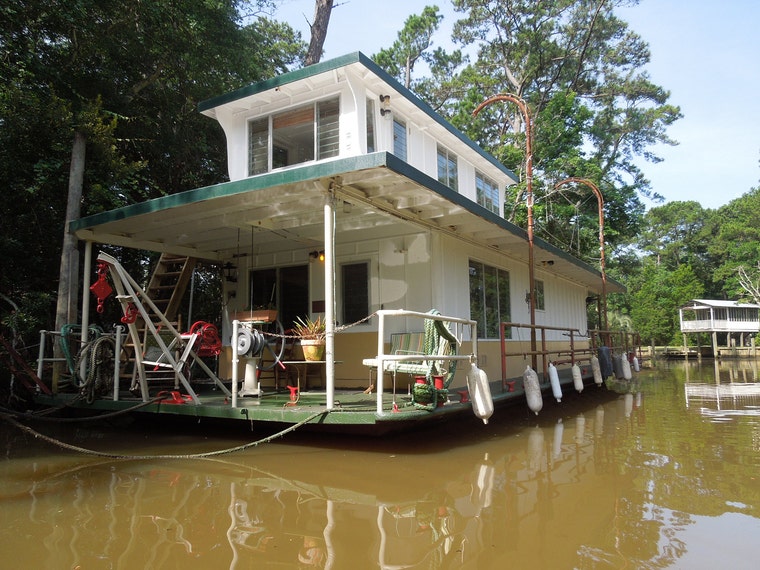
Many of my Alabama maps were created while floating on Fly Creek in an old paddlewheel boat built in 1961 and powered by a Willys Jeep engine. Pleasure Bay was her name, and she gave me a front row seat to the kind of everyday magic you never forget.
At any given moment I could step outside and see spotted gar near the bow, mallard ducks gliding past, or the occasional kayaker drifting by. From my drawing table, I watched kids on a rope swing flying out over the creek like the old days. Sometimes I could even hear the back of a giant snapping turtle as its shell tapped the hull underwater while feeding. It was a special place, and I have a million stories about it.
My Process From Pencil to Print
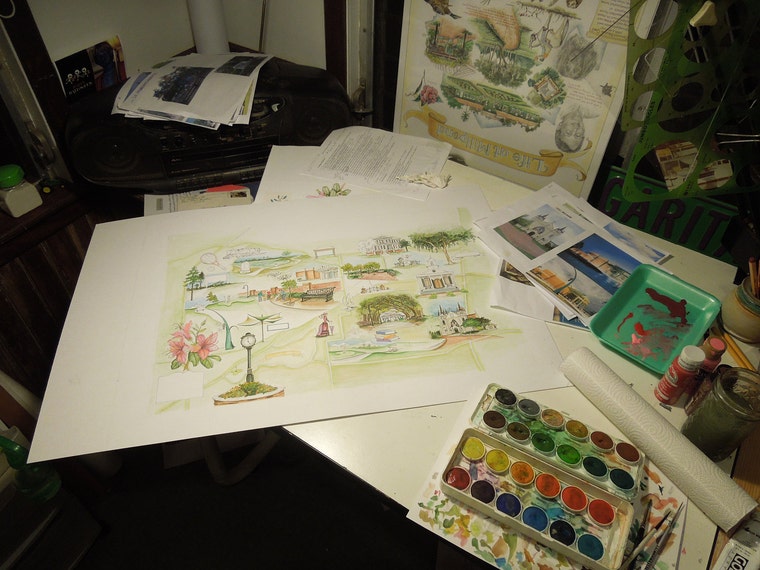
Every map begins with pencil. I start by working out a base map on a piece of crescent illustration board. Then, using thin paper, I test different layouts by lightly sketching the main elements until the balance feels right.
Once the layout is set, I draw the elements on the actual board, keeping the pencil light since it will be erased later. Then comes my favorite part: I clean up my work area, put on good music, and pull out my pens. Micron .005, .01, and .02 are my go to tools. For the next few days, I disappear into pen and ink.
After that, it is time for color. I use watercolor, ink pencils, colored pencils, and sometimes pastels. Land and water get the first layers, and I paint them by hand now. Text and calligraphy come last. When the piece is finished, it is scanned to create a digital file for printing.
Custom Maps, Wedding Maps, and Personal Stories
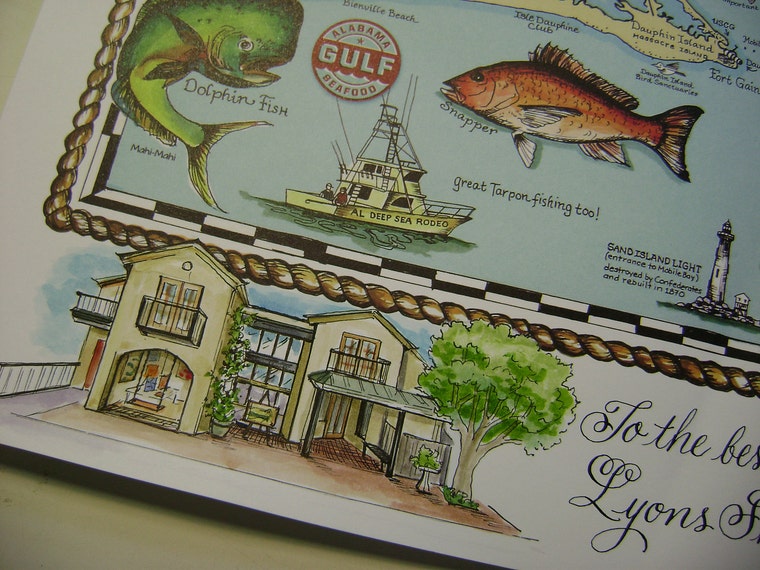
Alongside my large area maps that I sell as prints, I have created dozens of wedding maps and personal maps for people and organizations. Instead of getting faster over time, I have become more detailed and more elaborate. I cannot help myself, I love the tiny moments and hidden references that make a piece feel personal.
I have also illustrated other projects, including two children’s books. Often, people share their stories and photos, and I figure out how to illustrate them. Sometimes the final piece becomes more of a personal montage than a traditional map, and I love that. I usually collaborate closely with one person throughout the process, and thanks to email and text we can fine tune details as we go. One project, Jesuit High School of New Orleans, involved hundreds of texts and photos back and forth, and it taught me the value of having one clear point of contact.